
3.2.4 Winding The Clock Back To An Earlier Time
Part of the method of investigation involved winding the clock back to an earlier time of interest. Steps involved:
- identifying a point in time, or a specific event, of interest;
- without rearranging the structure of the completed map, systematically removing those links and concepts that occurred, or existed, after the selected time or event; and
- comparing the structure of the original map with that depicting the situation that existed at the point in time to which the clock is wound back.
In each case it is possible to identify important events that might be considered as milestones. In particular, these milestones are associated with decisions by key stakeholders involved in the management of risks or (inadvertently or knowingly) laying the causal foundations for the development of future events. Here, the commencement of demolition work is an important milestone. It is highly informative to investigate what existed at that time compared to the much later date, that of the actual implosion.
It can be seen from Figure 3-10, and by comparison with Figure 3-11, focusing particularly on Concepts No 19 and 107, that the characteristic systemic structure of this problem existed at the earlier time. In this case, the earlier time was when contracts were signed before the fence was erected around the demolition site.
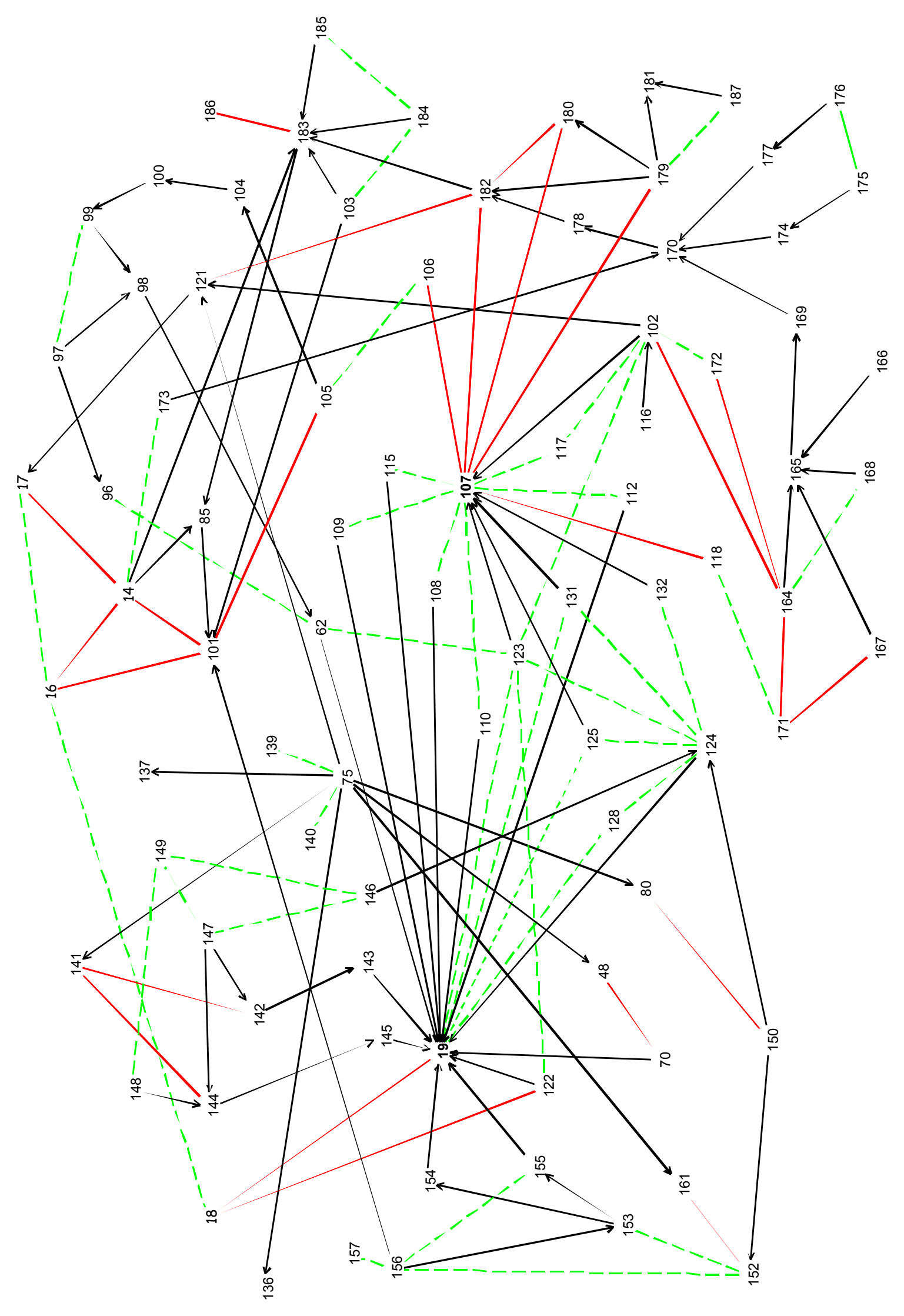
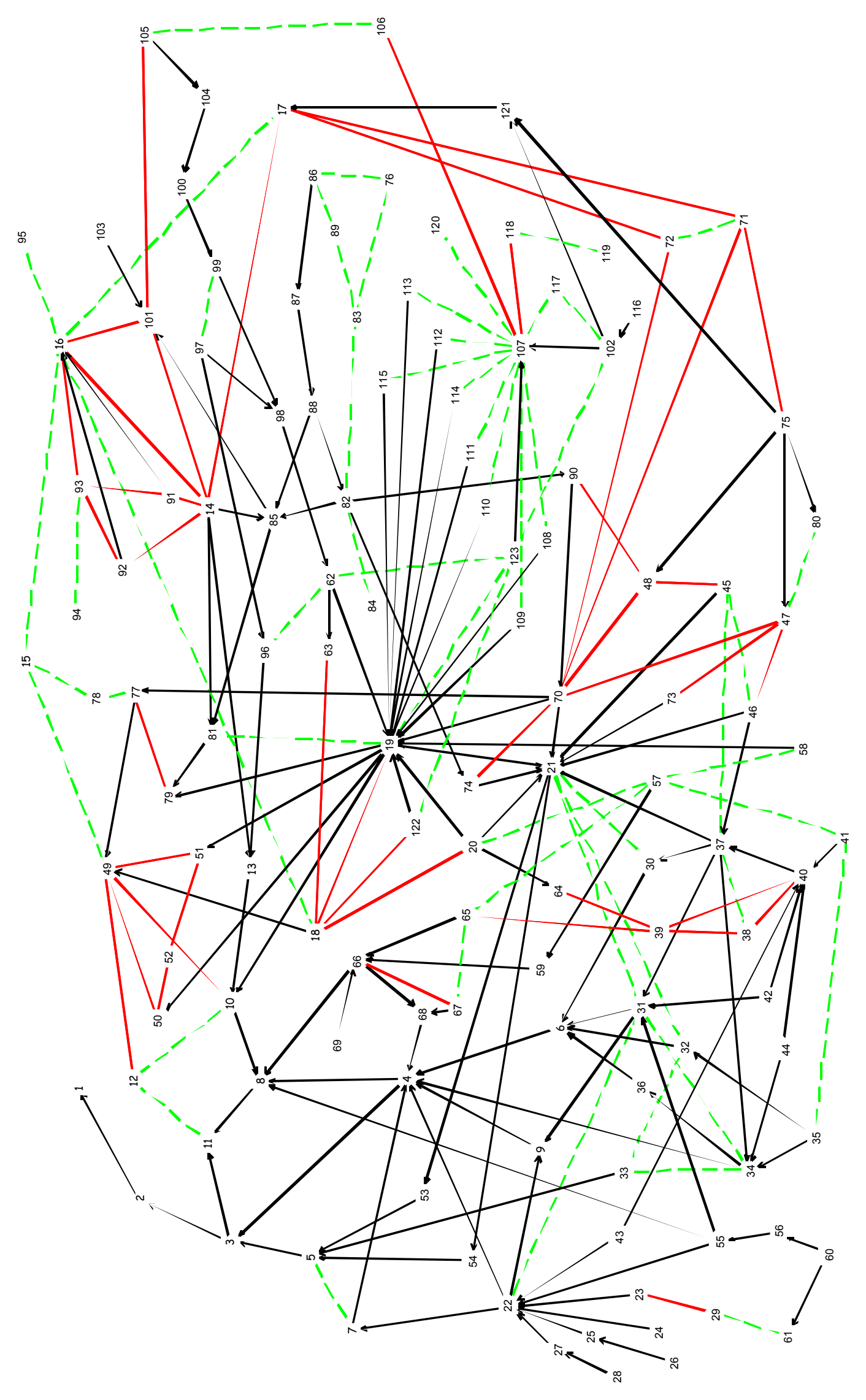
What was needed to enable systemic structures to be revealed was for someone in a position of authority, with access to the requisite information, to take a holistic view and apply the type of systems thinking described in this book. This should have enhanced situation awareness of the risks involved. There were many opportunities to build situation awareness. There were also many months to analyse evolving problem situations, develop risk-mitigation strategies and to routinely enact them.
The analysis contained in this chapter clearly suggests that characteristic problems and systemic structures existed before the first brick was broken, the concrete removed from the steel columns, or the first steel column cut with an oxy-acetylene flame. This was more than a year before the first explosive charge was laid. It is highly significant that the structure of the final, complete map is similar in many respects to the map that could have been derived from what was reasonably known at the time the contracts were signed. The problematic systemic structures, which would enable the creation of the situation in which the ultimate catastrophe would manifest, were in place even at this selected early time. Once the demolition work started, members of the Construction Forestry Mining Energy Union (CFMEU), whose members made up the majority of the demolition site workforce, frequently expressed concerns about working on the site. Unfortunately, it seems their concerns went unheeded.
There can be many reasons for workers becoming disgruntled. But the conditions, work practices and attitudes causing workers to become uneasy should never be ignored. In the case studies presented here, it was clear that the workers, the pilots, the soldiers, the gas plant workers and the miners were unhappy for a variety of very good reasons. The managers responsible apparently ignored the expressions of concern originating in the workplace, or they played down the significance of concerns being expressed. Managers ignore the warning signs at their peril. Managers who are conscious of the need for situation awareness must remain vigilant. Sensitivity to the warning signs is an essential element of situation awareness.
This mapping-based analysis serves to reinforce Coroner Madden’s general conclusion that a reasonable person having been furnished with information about what was reasonably known at the time, would have come to the realisation that a dangerous situation was developing. Indeed, the ‘winding back the clock’ technique suggests a reasonable person had they seen it would have been concerned about development of a potentially dangerous situation many months before Katie Bender died from injuries sustained when struck by debris from the demolition site. It is now history that nobody recognised this, or if they did they did nothing.